
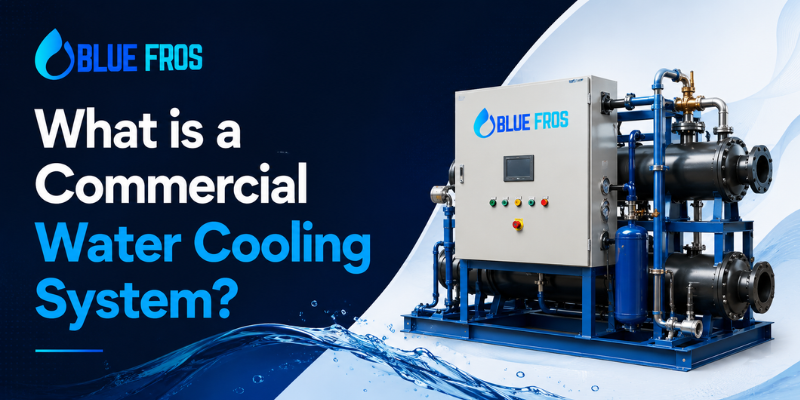
A Commercial Water Cooling System is an industrial cooling solution designed to reduce the temperature of water used in commercial and industrial operations. These systems play a crucial role in maintaining equipment efficiency, preventing overheating, and ensuring smooth production processes. From manufacturing facilities and hospitals to data centers and commercial buildings, water cooling systems help regulate temperature while improving operational reliability.
As industries continue to expand, the demand for efficient cooling solutions has increased significantly. Commercial water cooling systems are designed to handle large volumes of water and provide consistent cooling performance even under demanding conditions.
How Does a Commercial Water Cooling System Work?
A commercial water cooling system works by removing heat from water and transferring it away from equipment or processes that generate excess heat. The cooled water is then circulated back through the system to maintain optimal operating temperatures.
The process generally involves:
- Heat absorption from equipment or machinery
- Heat exchange through cooling units
- Water circulation using pumps
- Continuous temperature regulation for efficient operation
This cycle ensures that machinery and systems operate within safe temperature ranges, reducing the risk of equipment failure and downtime.
Key Components of a Commercial Water Cooling System
Several components work together to deliver effective cooling performance:
1. Chiller Unit
The chiller is responsible for removing heat from water and lowering its temperature before circulation.
2. Cooling Tower
Cooling towers help dissipate heat into the atmosphere and improve overall system efficiency.
3. Pumps
Pumps circulate water throughout the cooling network and maintain proper flow rates.
4. Heat Exchangers
Heat exchangers transfer heat between fluids without allowing them to mix.
5. Control System
Modern systems use automated controls to monitor temperatures, pressure, and overall performance.
Benefits of Commercial Water Cooling Systems
Improved Energy Efficiency
Water-based cooling systems are often more energy-efficient than traditional air-cooling methods, helping businesses reduce operating costs.
Enhanced Equipment Performance
Maintaining proper temperatures helps machinery operate efficiently and extends equipment lifespan.
Reduced Maintenance Costs
Preventing overheating minimizes wear and tear on critical components, resulting in lower maintenance expenses.
Consistent Cooling Performance
Commercial water cooling systems provide reliable cooling even during high-demand operations.
Environmentally Friendly Operation
Many modern systems are designed to reduce energy consumption and support sustainable business practices.
Common Applications of Commercial Water Cooling Systems
Commercial water cooling systems are widely used across various industries, including:
- Manufacturing plants
- Pharmaceutical facilities
- Food and beverage processing units
- Data centers
- Hospitals and healthcare facilities
- Hotels and commercial buildings
- Power generation facilities
- Chemical processing industries
These industries depend on effective temperature management to ensure operational efficiency and product quality.
Factors to Consider When Choosing a Commercial Water Cooling System
Selecting the right cooling system requires careful evaluation of several factors:
Cooling Capacity
Determine the amount of cooling required based on operational needs and heat load.
Energy Consumption
Look for systems that offer high efficiency and lower operating costs.
Space Availability
Consider the installation area and system footprint.
Maintenance Requirements
Choose equipment that is easy to maintain and service.
Future Expansion
Select a system that can accommodate future business growth and increased cooling demands.
Future Trends in Commercial Water Cooling Technology
Advancements in cooling technology are making commercial water cooling systems more efficient and intelligent. Modern systems increasingly incorporate:
- Smart monitoring and automation
- Energy-efficient designs
- Remote diagnostics
- Water conservation technologies
- Sustainable cooling solutions
These innovations help businesses improve performance while reducing environmental impact.
Frequently Asked Questions (FAQs)
What is the main purpose of a commercial water cooling system?
A commercial water cooling system is designed to remove excess heat from industrial equipment, machinery, and commercial facilities. It helps maintain optimal operating temperatures, improves efficiency, and prevents overheating.
Which industries use commercial water cooling systems?
Commercial water cooling systems are commonly used in manufacturing plants, hospitals, data centers, pharmaceutical facilities, food processing units, hotels, and power generation industries where temperature control is essential.
Are commercial water cooling systems energy efficient?
Yes. Modern commercial water cooling systems are designed to maximize cooling performance while minimizing energy consumption. Many systems include advanced controls and automation features to improve efficiency.
How often should a commercial water cooling system be maintained?
Regular maintenance is recommended to ensure optimal performance. Inspections, cleaning, water treatment, and component checks should typically be performed according to the manufacturer’s guidelines and operational requirements.
Contact Blue Fros Today
Looking for advanced and energy-efficient water cooling solutions? Blue Fros provides innovative commercial and industrial cooling systems tailored to diverse operational requirements. Explore reliable cooling technologies designed to enhance performance, reduce downtime, and support sustainable business operations.
Get in touch with Blue Fros today to find the ideal commercial water cooling system for your facility.
Leave A Comment