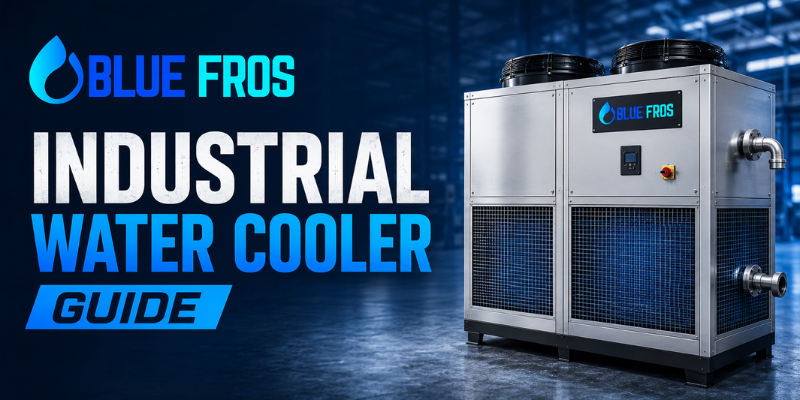
Industrial water coolers play a vital role in maintaining a consistent supply of chilled drinking water in factories, manufacturing units, warehouses, construction sites, educational institutions, hospitals, and commercial facilities. As businesses continue to expand and workforce numbers increase, the demand for reliable and energy-efficient cooling solutions has grown significantly. This Industrial Water Cooler Guide covers everything you need to know about industrial water coolers, including their benefits, types, features, applications, and factors to consider before purchasing one. What Is an Industrial Water Cooler? An industrial water cooler is a high-capacity cooling system designed to provide cold and hygienic drinking water for large groups of people. Unlike standard water coolers used in homes or small offices, industrial models are built to handle continuous operation and higher water consumption. These units are engineered with robust cooling mechanisms, durable materials, and larger storage capacities to meet the needs of demanding environments. Why Are Industrial Water Coolers Important? Providing access to clean and cold drinking water is essential for employee health, productivity, and workplace comfort. In industrial environments where workers are exposed to heat and physically demanding tasks, proper hydration becomes even more important. Key Benefits Include: Continuous supply of chilled water Improved employee productivity Enhanced workplace comfort Better hydration and health Reduced dependency on bottled water Cost-effective long-term solution Environmentally friendly water management Types of Industrial Water Coolers Different industries require different cooling capacities. Understanding the available options helps businesses choose the most suitable system. 1. Storage Water Coolers These units feature a built-in storage tank that keeps a large quantity of water chilled and ready for use. Best For: Manufacturing plants Schools and colleges Large offices Industrial workshops 2. Instant Cooling Water Coolers Instant cooling models chill water as it flows through the system, reducing the need for large storage tanks. Best For: Commercial facilities Healthcare institutions Modern workplaces 3. Stainless Steel Water Coolers Constructed using food-grade stainless steel, these coolers offer excellent durability, hygiene, and corrosion resistance. Best For: Food processing units Pharmaceutical facilities Hospitals Educational institutions 4. Industrial Chilling Systems These heavy-duty systems are designed for large-scale cooling requirements and can support high water demand continuously. Best For: Large manufacturing facilities Construction projects Industrial campuses Key Features to Look For Selecting the right industrial water cooler requires evaluating several important features. Cooling Capacity Cooling capacity determines how much chilled water the unit can produce per hour. Businesses should select a capacity based on daily water consumption and workforce size. Storage Capacity Storage capacity indicates the volume of chilled water available at any given time. Higher storage capacity ensures uninterrupted water supply during peak usage periods. Energy Efficiency Modern industrial water coolers are designed with energy-saving compressors and advanced cooling technology to reduce electricity consumption. Durable Construction A high-quality industrial water cooler should be built using corrosion-resistant materials, preferably stainless steel, to ensure long-term durability. Hygiene and Safety Look for units with food-grade components and easy-to-clean surfaces to maintain water quality and hygiene standards. Low Maintenance Requirements Industrial facilities benefit from water coolers that are easy to maintain and designed for continuous operation. Applications of Industrial Water Coolers Industrial water coolers are widely used across various sectors. Manufacturing Industries Factories often operate in high-temperature environments where workers require regular access to chilled drinking water. Warehouses and Logistics Centers Large distribution centers use industrial water coolers to support employee hydration throughout long working shifts. Educational Institutions Schools, colleges, and universities install water coolers to provide students and staff with clean drinking water. Hospitals and Healthcare Facilities Healthcare institutions require reliable water cooling solutions that maintain high hygiene standards. Construction Sites Construction workers often work outdoors under extreme temperatures, making chilled drinking water essential. Commercial Buildings Corporate offices and commercial complexes use industrial water coolers to serve employees and visitors. How to Choose the Right Industrial Water Cooler Before investing in an industrial water cooler, consider the following factors: Assess Daily Water Consumption Calculate the number of users and estimated daily water requirements. Evaluate Installation Space Measure the available installation area and select a model that fits comfortably. Consider Environmental Conditions Facilities located in hot climates may require higher cooling capacities. Check Power Consumption Energy-efficient models can significantly reduce operational costs over time. Review Maintenance Needs Choose equipment that offers easy servicing and readily available spare parts. Verify Product Quality Ensure the unit meets industry standards for safety, durability, and hygiene. Common Mistakes to Avoid Many buyers focus only on price while overlooking performance and long-term value. Avoid these common mistakes: Choosing insufficient cooling capacity Ignoring storage requirements Overlooking energy efficiency ratings Selecting low-quality materials Neglecting maintenance considerations Purchasing without assessing future demand Maintenance Tips for Long-Term Performance Regular maintenance helps maximize efficiency and extend equipment lifespan. Best Practices: Clean the water tank regularly Inspect cooling components periodically Replace filters when required Check electrical connections Monitor water quality Schedule preventive maintenance Following these practices ensures consistent cooling performance and reliable operation. Future Trends in Industrial Water Cooling Industrial water cooling technology continues to evolve with a focus on sustainability and efficiency. Emerging trends include: Smart monitoring systems Energy-efficient compressors Touch-free dispensing technology Advanced filtration systems Eco-friendly refrigerants IoT-enabled maintenance tracking These innovations help businesses improve operational efficiency while reducing environmental impact. Industrial water coolers are essential for workplaces that require a reliable supply of chilled drinking water. The right system improves employee comfort, supports workplace productivity, and provides a cost-effective hydration solution for years to come. By understanding cooling capacity, storage requirements, energy efficiency, and maintenance needs, businesses can make informed purchasing decisions and maximize their investment. Frequently Asked Questions (FAQs) What size industrial water cooler do I need? The ideal size depends on the number of users, daily water consumption, and peak usage requirements. Are stainless steel industrial water coolers better? Yes. Stainless steel models offer superior durability, hygiene, corrosion resistance, and long service life. How long does an industrial water cooler last? With proper maintenance, a high-quality industrial water cooler can operate efficiently for many years.

Archive for June 18th, 2026