How to Choose the Right Industrial Water Cooler: A Complete Buying Guide Choosing the right Industrial Water Cooler is essential for ensuring a continuous supply of hygienic chilled drinking water in factories, warehouses, offices, schools, hospitals, hotels, and other commercial facilities. A well-designed industrial water cooler not only provides safe and refreshing drinking water but also enhances employee comfort, supports workplace productivity, and minimizes downtime caused by inadequate water availability. Selecting the right industrial water cooler is more than simply choosing a model based on price or storage capacity. Businesses should evaluate several important factors, including workforce size, cooling capacity, storage capacity, food-grade SS304 stainless steel construction, energy efficiency, installation space, maintenance requirements, and future expansion plans. Choosing the right system helps reduce long-term operating costs while delivering reliable performance for years. Whether you are installing a new water cooling system or replacing an existing one, understanding these key buying factors will help you invest in the most suitable solution for your business. This guide explains everything you need to know before purchasing an industrial water cooler. Key Factors to Consider Before Buying Buying Factor Why It Matters Cooling Capacity Ensures a continuous supply of chilled water during peak usage hours. Storage Capacity Stores enough chilled water for uninterrupted availability. SS304 Stainless Steel Provides superior hygiene, corrosion resistance, and long-lasting durability. Energy Efficiency Reduces electricity consumption and operating costs. Compressor Quality Delivers faster cooling with consistent performance. Installation & Service Support Simplifies maintenance and ensures reliable long-term operation. Why Choosing the Right Industrial Water Cooler Matters An industrial water cooler is a long-term investment that directly impacts employee well-being and operational efficiency. Selecting an undersized model may lead to water shortages during peak hours, while choosing an oversized unit can increase electricity consumption and unnecessary operating expenses. The right industrial water cooler provides a reliable supply of chilled drinking water, supports employee hydration, improves workplace productivity, and reduces maintenance costs. Modern industrial water coolers are also designed to offer better energy efficiency, hygienic water storage, and durable construction. Businesses that invest in high-quality equipment benefit from lower lifecycle costs, fewer maintenance issues, and dependable performance even in demanding industrial environments. Factors to Consider Before Buying an Industrial Water Cooler Choosing the right industrial water cooler requires careful planning to ensure it meets your current and future drinking water requirements. Before making a purchase, businesses should evaluate the following factors. 1. Evaluate the Number of Users The first step is to estimate how many people will use the water cooler daily. A factory with 40 employees has different requirements than a manufacturing plant with over 300 workers. Selecting a model based on workforce size ensures a continuous supply of chilled drinking water without interruptions during peak hours. 2. Calculate Daily Water Consumption Daily water demand depends on the number of users, weather conditions, working hours, and shift operations. Facilities with multiple shifts or outdoor work environments generally require higher-capacity industrial water coolers. Calculating average daily consumption helps businesses choose the right cooling and storage capacity. 3. Select the Right Cooling Capacity Cooling capacity is measured in Litres Per Hour (LPH) and determines how much chilled water the system can produce every hour. Choosing the correct LPH rating prevents water shortages while avoiding unnecessary electricity consumption. Businesses should always consider future workforce growth when selecting cooling capacity. Recommended Cooling Capacity Number of Users Recommended Cooling Capacity 20–40 Users 20–40 LPH 40–80 Users 40–60 LPH 80–150 Users 60–80 LPH 150–300 Users 80–150 LPH Above 300 Users 150 LPH & Above 4. Choose the Right Storage Capacity Storage capacity determines how much chilled water is available instantly. Factories and commercial facilities often experience high water demand during lunch breaks, shift changes, and peak working hours. Selecting an adequate storage tank ensures uninterrupted water availability even during periods of heavy usage. 5. Prefer Food-Grade SS304 Stainless Steel Material quality plays a vital role in maintaining hygiene and durability. Food-grade SS304 stainless steel offers excellent corrosion resistance, prevents contamination, and is easy to clean. Compared to lower-grade materials, SS304 provides longer service life and is widely preferred for industrial and commercial drinking water applications. 6. Check Energy Efficiency Industrial water coolers operate continuously in many facilities, making energy efficiency an important consideration. Look for models equipped with high-efficiency compressors, quality insulation, and advanced refrigeration technology. Energy-efficient systems reduce electricity bills while delivering reliable cooling performance throughout the year. 7. Consider Installation Space Before purchasing, evaluate the available installation area, ventilation requirements, water supply connection, drainage facilities, and maintenance access. Proper installation improves cooling efficiency, simplifies servicing, and extends the overall lifespan of the equipment. 8. Evaluate Maintenance Requirements Routine maintenance helps ensure hygienic drinking water and consistent cooling performance. Choose industrial water coolers with easily accessible components, durable refrigeration systems, and simple cleaning procedures. Equipment that requires minimal maintenance reduces downtime and operating costs. 9. Choose a Trusted Manufacturer A reliable manufacturer provides more than just quality equipment. Look for companies that offer food-grade SS304 construction, multiple capacity options, product warranty, genuine spare parts, technical support, and dependable after-sales service. Partnering with an experienced manufacturer ensures long-term reliability and peace of mind for your business. Common Mistakes to Avoid When Buying an Industrial Water Cooler Many businesses choose an industrial water cooler based only on price, which can lead to higher operating costs and poor performance over time. Avoiding these common mistakes will help you make a better long-term investment. Choosing insufficient cooling capacity for the number of users. Ignoring future workforce growth and increasing water demand. Selecting non-food-grade stainless steel instead of hygienic SS304. Purchasing low-quality compressors that increase maintenance costs. Overlooking energy efficiency and long-term electricity consumption. Ignoring warranty, spare parts availability, and after-sales service. Taking time to evaluate these factors before purchasing ensures reliable performance, improved employee satisfaction, and lower maintenance costs throughout the product’s lifespan. Industrial Water Cooler Buying Checklist Before making your final purchase decision, verify the following requirements: Checklist Status Workforce Size Evaluated ✔ Daily Water Demand Calculated ✔

Blogs
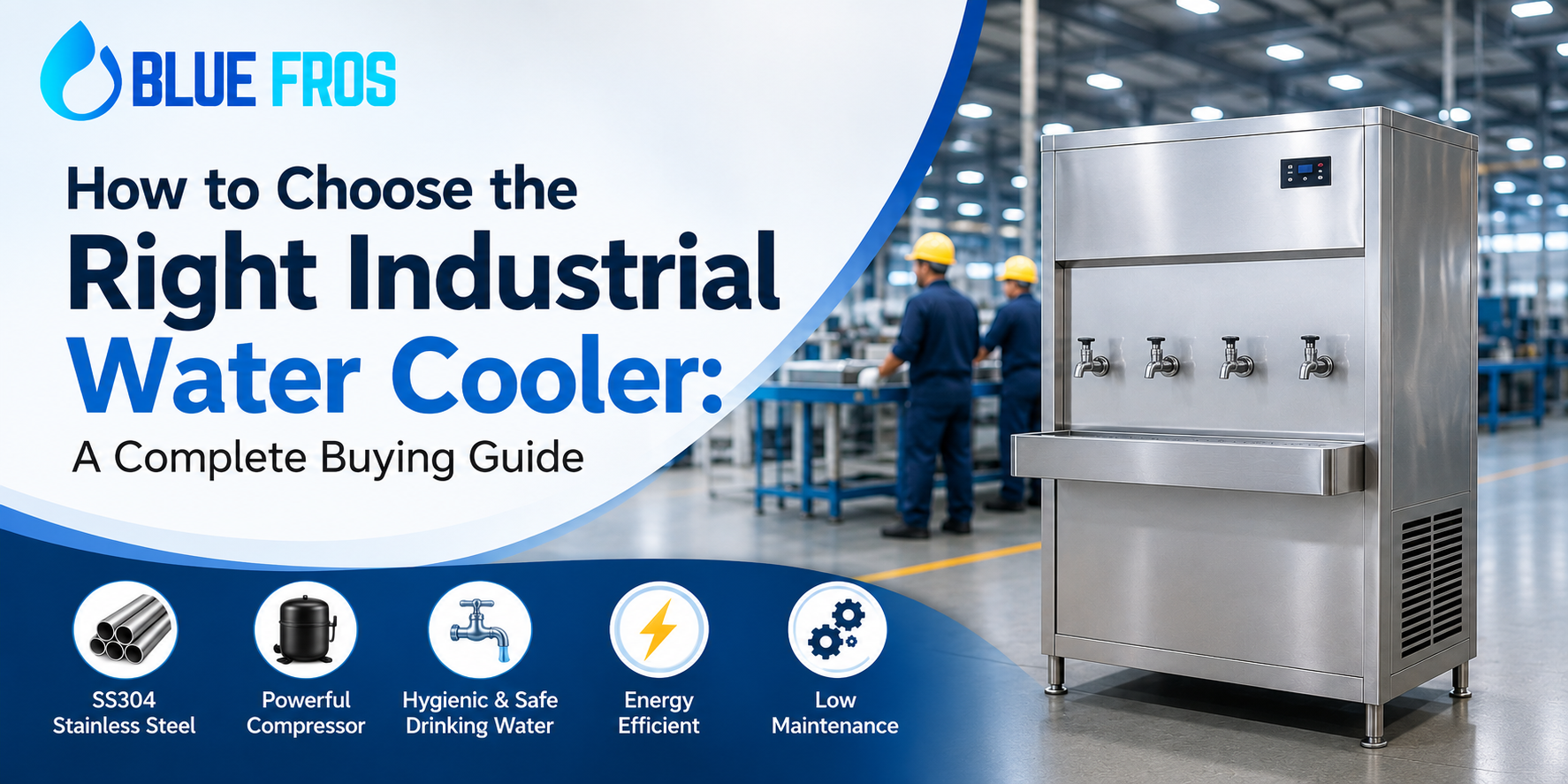
How to Choose the Right Industrial Water Cooler: A Complete Buying Guide
- admin
- July 22, 2026
- No Comments
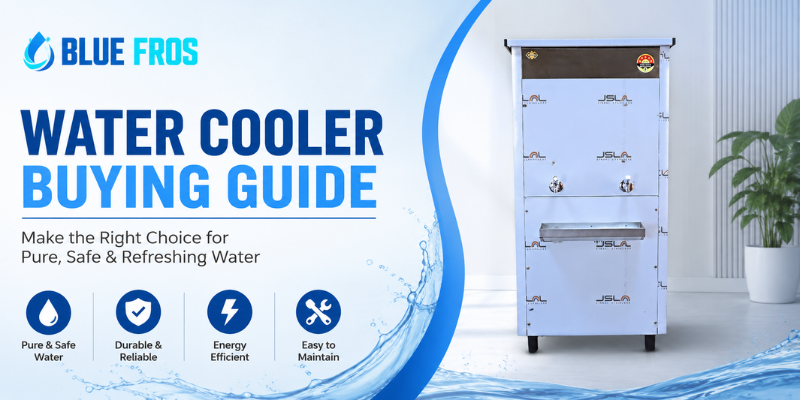
water cooler buying guide
- admin
- June 29, 2026
- No Comments
Finding the right water cooler is essential for maintaining a healthy and productive environment. Whether you need a water cooler for an office, school, hospital, factory, or commercial space, choosing the right model ensures a continuous supply of clean, chilled drinking water while reducing maintenance costs and energy consumption. In this comprehensive Water Cooler Buying Guide, we’ll explain everything you need to know before purchasing a commercial water cooler. Why Investing in the Right Water Cooler Matters A water cooler is more than just a drinking water dispenser. It helps improve employee productivity, encourages proper hydration, and provides safe drinking water for visitors and staff. Choosing the wrong model may result in: Insufficient cooling capacity Higher electricity bills Frequent maintenance Poor water hygiene Shorter equipment lifespan Selecting the right water cooler eliminates these problems and provides long-term value. Different Types of Water Coolers Choosing the correct type depends on your application and daily water consumption. Water Cooler Type Best For Main Benefits Stainless Steel Water Cooler Schools, Hospitals, Factories Durable, rust-resistant, hygienic Storage Water Cooler High-traffic areas Large storage capacity Bottled Water Cooler Offices Easy installation Direct Water Line Cooler Corporate buildings Continuous water supply Industrial Water Cooler Manufacturing plants Heavy-duty performance Factors to Consider Before Buying a Water Cooler 1. Daily Water Consumption The first thing to consider is how many people will use the water cooler daily. Number of Users Recommended Capacity 10–20 People 20–40 Litres 20–50 People 40–80 Litres 50–100 People 80–150 Litres 100+ People 150 Litres and Above Buying the correct capacity ensures a steady supply of chilled drinking water throughout the day. 2. Cooling Capacity Storage capacity and cooling capacity are different. For example: Storage Capacity = Water stored inside the tank Cooling Capacity = Litres cooled per hour Always check both specifications before purchasing. 3. Stainless Steel Construction For commercial use, stainless steel is always recommended because it offers: Rust resistance Better hygiene Long service life Easy cleaning Corrosion protection Food-grade stainless steel is ideal for ensuring safe drinking water. 4. Energy Efficiency An energy-efficient water cooler reduces electricity costs without compromising cooling performance. Look for: High-efficiency compressors Quality insulation Fast cooling technology Low power consumption 5. Installation Location Your installation area plays an important role in selecting the right model. Suitable locations include: Offices Schools Colleges Hospitals Factories Shopping malls Hotels Restaurants Public buildings Indoor and outdoor installations may require different models. 6. Water Quality If your incoming water contains impurities, consider installing a water purifier alongside the water cooler. Clean water protects both users and the equipment. 7. Maintenance Requirements Choose a model that offers: Easy servicing Replaceable components Accessible drainage Easy cleaning Lower maintenance means lower operating costs. Key Features to Look For A quality commercial water cooler should include: Food-grade stainless steel body Heavy-duty compressor Fast cooling technology Rust-resistant construction Durable faucets Large cooling tank Low power consumption Easy maintenance Reliable performance Long operational life Common Mistakes to Avoid Many buyers make these common mistakes: Buying based only on price Ignoring cooling capacity Choosing insufficient storage Purchasing low-quality materials Not considering future usage Skipping warranty details Ignoring after-sales support Avoiding these mistakes saves money over time. Benefits of Commercial Water Coolers Commercial water coolers provide several advantages. Continuous supply of chilled water Improved workplace productivity Better employee hydration Hygienic drinking water Cost-effective operation Long service life Durable construction Reduced plastic bottle usage Environmentally friendly solution How to Select the Right Water Cooler Follow these simple steps: Calculate daily water consumption. Choose the required storage capacity. Check cooling capacity. Select food-grade stainless steel construction. Compare energy efficiency. Verify warranty and service support. Buy from a trusted manufacturer. Why Choose Blue Fros Water Coolers? Blue Fros offers high-quality commercial water coolers designed for performance, durability, and hygiene. Whether you need a water cooler for a small office or a large industrial facility, Blue Fros provides reliable solutions built to meet modern commercial requirements. Blue Fros water coolers are known for: Premium stainless steel construction High cooling efficiency Energy-saving operation Low maintenance design Long-lasting durability Suitable models for offices, schools, hospitals, factories, and public spaces With a focus on quality and customer satisfaction, Blue Fros helps businesses provide safe and refreshing drinking water every day Water Cooler Comparison Feature Standard Water Cooler Blue Fros Water Cooler Stainless Steel Body Sometimes ✔ Premium Grade Fast Cooling Basic ✔ High Performance Energy Efficient Average ✔ Optimized Commercial Use Limited ✔ Yes Easy Maintenance Moderate ✔ Easy Long Service Life Standard ✔ Extended Durability Frequently Asked Questions Which water cooler is best for offices? A stainless steel water cooler with adequate storage and cooling capacity is ideal for office environments. How do I choose the right capacity? Estimate the number of daily users and select a model that matches both storage and cooling requirements. Is a stainless steel water cooler better than plastic? Yes. Stainless steel is more durable, hygienic, corrosion-resistant, and suitable for commercial applications. How often should a water cooler be cleaned? Regular cleaning every 2–3 months, along with routine maintenance, helps ensure hygienic operation and extends the equipment’s lifespan. A stainless steel water cooler with adequate storage and cooling capacity is ideal for office environments. Estimate the number of daily users and select a model that matches both storage and cooling requirements. Yes. Stainless steel is more durable, hygienic, corrosion-resistant, and suitable for commercial applications. Regular cleaning every 2–3 months, along with routine maintenance, helps ensure hygienic operation and extends the equipment’s lifespan. Ready to Choose the Right Water Cooler? Explore Blue Fros‘ range of premium commercial water coolers and find the perfect solution for your workplace or facility. Whether you need a compact office model or a high-capacity industrial unit, Blue Fros delivers dependable performance, superior quality, and long-lasting value. Contact our team today to get expert guidance and choose the ideal water cooler for your needs.
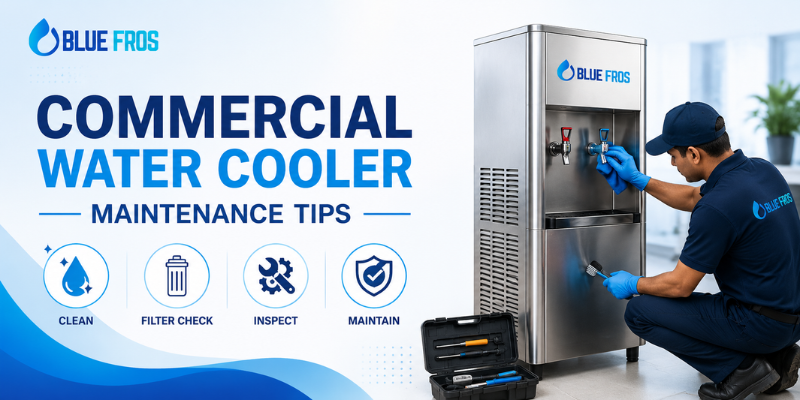
commercial Water Cooler Maintenance Tips
- admin
- June 24, 2026
- No Comments
Commercial water coolers play a vital role in providing clean and chilled drinking water in offices, schools, hospitals, factories, shopping complexes, railway stations, airports, and other public facilities. These systems often operate continuously throughout the day, making regular maintenance essential for ensuring optimal performance, water quality, energy efficiency, and equipment longevity. Without proper maintenance, commercial water coolers can experience reduced cooling efficiency, increased energy consumption, water contamination issues, and costly repairs. A proactive maintenance routine not only helps extend the lifespan of the equipment but also ensures a safe and hygienic drinking water experience for users. This guide covers everything you need to know about commercial water cooler maintenance, including cleaning procedures, preventive maintenance practices, common problems, troubleshooting tips, and best practices for long-term performance. Why Commercial Water Cooler Maintenance Matters Many businesses focus on purchasing high-quality water cooling equipment but often overlook ongoing maintenance. Like any commercial appliance, water coolers require regular inspection and servicing to perform effectively. Proper maintenance helps: Maintain clean and safe drinking water Improve cooling performance Prevent unexpected breakdowns Reduce repair and replacement costs Increase equipment lifespan Enhance energy efficiency Minimize operational downtime Maintain hygiene compliance standards Regular maintenance is particularly important in high-traffic environments where hundreds of users may access the water cooler every day. Understanding How a Commercial Water Cooler Works Before discussing maintenance practices, it is helpful to understand the basic components of a commercial water cooler. A typical commercial water cooler consists of: Water storage tank Refrigeration system Compressor Condenser coils Evaporator Thermostat Water dispensing taps Filtration system (in some models) Drainage system Electrical control components All these components work together to cool, store, and dispense drinking water. If any component becomes dirty, damaged, or inefficient, overall performance can decline significantly. Benefits of Regular Commercial Water Cooler Maintenance Improved Water Quality Routine cleaning and sanitization help prevent the accumulation of dirt, bacteria, algae, and contaminants inside the water cooler system. Better Cooling Efficiency Clean coils, filters, and cooling components allow the unit to maintain consistent water temperatures while consuming less energy. Lower Operating Costs Preventive maintenance helps identify minor issues before they become expensive repairs. Increased Equipment Lifespan Commercial water coolers represent a significant investment. Proper maintenance helps maximize return on investment by extending equipment life. Reduced Downtime Scheduled maintenance minimizes unexpected failures and ensures uninterrupted access to drinking water. Essential Commercial Water Cooler Maintenance Tips 1. Clean Exterior Surfaces Frequently The exterior surface of a commercial water cooler is exposed to dust, fingerprints, spills, and environmental contaminants. Regular cleaning helps: Maintain a professional appearance Prevent dirt accumulation Reduce contamination risks Use a soft cloth and a non-abrasive cleaning solution for routine cleaning. 2. Sanitize Water Dispensing Areas Dispensing taps are among the most frequently touched parts of a water cooler. Regular sanitization helps prevent: Germ buildup Cross-contamination Bacterial growth Clean all dispensing nozzles and tap surfaces using approved sanitizing solutions. 3. Replace Water Filters as Recommended Many commercial water coolers incorporate filtration systems to improve water quality. Dirty or clogged filters may lead to: Reduced water flow Poor water taste Increased system strain Lower cooling efficiency Always follow the manufacturer’s recommended replacement schedule. 4. Inspect for Water Leaks Water leaks can cause: Water wastage Structural damage Mold growth Increased maintenance costs Inspect: Water supply lines Drainage connections Internal fittings Storage tanks Address leaks immediately to prevent further damage. 5. Keep Condenser Coils Clean Condenser coils release heat generated during the cooling process. When coils become covered with dust and debris: Cooling performance decreases Energy consumption increases Compressor workload rises Periodic coil cleaning helps maintain efficient operation. 6. Ensure Proper Ventilation Commercial water coolers require adequate airflow around the unit. Poor ventilation may result in: Overheating Reduced cooling efficiency Compressor failure Maintain sufficient clearance around all ventilation openings. 7. Monitor Water Temperature Regular temperature monitoring helps identify potential cooling issues before they become major problems. Consistent water temperatures indicate: Healthy compressor operation Proper thermostat function Efficient refrigeration performance Unexpected temperature fluctuations should be investigated promptly. 8. Inspect Electrical Components Electrical inspections should include: Power cables Electrical connections Switches Control panels Damaged wiring can create safety hazards and reduce equipment reliability. 9. Clean the Drain Tray Drain trays collect excess water during operation. If neglected, drain trays may become breeding grounds for: Bacteria Mold Foul odors Routine cleaning supports hygiene and sanitation standards. 10. Schedule Professional Preventive Maintenance Professional technicians can inspect internal components that are difficult to access during routine cleaning. Professional servicing may include: Refrigeration system inspection Compressor testing Thermostat calibration Leak detection Electrical safety checks Performance evaluation Annual servicing can significantly improve long-term reliability. Common Commercial Water Cooler Problems Water Not Cooling Properly Possible causes: Dirty condenser coils Faulty thermostat Compressor issues Poor ventilation Low Water Flow Possible causes: Clogged filters Blocked dispensing taps Internal scale buildup Water Leakage Possible causes: Loose fittings Damaged pipes Overflowing drain trays Unusual Noise Possible causes: Compressor wear Loose components Fan motor issues Unpleasant Taste or Odor Possible causes: Dirty water tank Old filters Inadequate sanitization Seasonal Maintenance Recommendations Summer Maintenance During high-demand periods: Monitor cooling performance more frequently Inspect ventilation areas Check compressor operation Winter Maintenance During colder months: Inspect electrical systems Verify thermostat performance Perform deep cleaning and sanitization Commercial Water Cooler Maintenance Checklist Daily Tasks Check overall operation Inspect dispensing taps Clean visible dirt and spills Weekly Tasks Clean external surfaces Sanitize dispensing areas Empty and clean drain trays Monthly Tasks Inspect filters Check water quality Verify cooling performance Quarterly Tasks Clean condenser coils Inspect electrical connections Check water supply lines Annual Tasks Schedule professional servicing Conduct comprehensive equipment inspection Replace worn components if necessary Best Practices for Long-Term Water Cooler Performance Use clean water sources Follow a maintenance schedule Replace filters regularly Train staff on proper usage Address minor issues promptly Maintain adequate ventilation Keep maintenance records Conduct periodic inspections Frequently Asked Questions (FAQS) How often should a commercial water cooler be cleaned? Most commercial water coolers should be cleaned and sanitized at least once every month, although
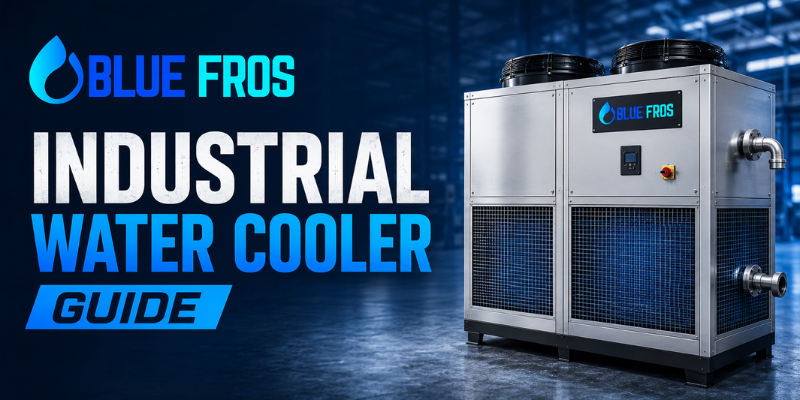
industrial water cooler guide
- admin
- June 18, 2026
- No Comments
Industrial water coolers play a vital role in maintaining a consistent supply of chilled drinking water in factories, manufacturing units, warehouses, construction sites, educational institutions, hospitals, and commercial facilities. As businesses continue to expand and workforce numbers increase, the demand for reliable and energy-efficient cooling solutions has grown significantly. This Industrial Water Cooler Guide covers everything you need to know about industrial water coolers, including their benefits, types, features, applications, and factors to consider before purchasing one. What Is an Industrial Water Cooler? An industrial water cooler is a high-capacity cooling system designed to provide cold and hygienic drinking water for large groups of people. Unlike standard water coolers used in homes or small offices, industrial models are built to handle continuous operation and higher water consumption. These units are engineered with robust cooling mechanisms, durable materials, and larger storage capacities to meet the needs of demanding environments. Why Are Industrial Water Coolers Important? Providing access to clean and cold drinking water is essential for employee health, productivity, and workplace comfort. In industrial environments where workers are exposed to heat and physically demanding tasks, proper hydration becomes even more important. Key Benefits Include: Continuous supply of chilled water Improved employee productivity Enhanced workplace comfort Better hydration and health Reduced dependency on bottled water Cost-effective long-term solution Environmentally friendly water management Types of Industrial Water Coolers Different industries require different cooling capacities. Understanding the available options helps businesses choose the most suitable system. 1. Storage Water Coolers These units feature a built-in storage tank that keeps a large quantity of water chilled and ready for use. Best For: Manufacturing plants Schools and colleges Large offices Industrial workshops 2. Instant Cooling Water Coolers Instant cooling models chill water as it flows through the system, reducing the need for large storage tanks. Best For: Commercial facilities Healthcare institutions Modern workplaces 3. Stainless Steel Water Coolers Constructed using food-grade stainless steel, these coolers offer excellent durability, hygiene, and corrosion resistance. Best For: Food processing units Pharmaceutical facilities Hospitals Educational institutions 4. Industrial Chilling Systems These heavy-duty systems are designed for large-scale cooling requirements and can support high water demand continuously. Best For: Large manufacturing facilities Construction projects Industrial campuses Key Features to Look For Selecting the right industrial water cooler requires evaluating several important features. Cooling Capacity Cooling capacity determines how much chilled water the unit can produce per hour. Businesses should select a capacity based on daily water consumption and workforce size. Storage Capacity Storage capacity indicates the volume of chilled water available at any given time. Higher storage capacity ensures uninterrupted water supply during peak usage periods. Energy Efficiency Modern industrial water coolers are designed with energy-saving compressors and advanced cooling technology to reduce electricity consumption. Durable Construction A high-quality industrial water cooler should be built using corrosion-resistant materials, preferably stainless steel, to ensure long-term durability. Hygiene and Safety Look for units with food-grade components and easy-to-clean surfaces to maintain water quality and hygiene standards. Low Maintenance Requirements Industrial facilities benefit from water coolers that are easy to maintain and designed for continuous operation. Applications of Industrial Water Coolers Industrial water coolers are widely used across various sectors. Manufacturing Industries Factories often operate in high-temperature environments where workers require regular access to chilled drinking water. Warehouses and Logistics Centers Large distribution centers use industrial water coolers to support employee hydration throughout long working shifts. Educational Institutions Schools, colleges, and universities install water coolers to provide students and staff with clean drinking water. Hospitals and Healthcare Facilities Healthcare institutions require reliable water cooling solutions that maintain high hygiene standards. Construction Sites Construction workers often work outdoors under extreme temperatures, making chilled drinking water essential. Commercial Buildings Corporate offices and commercial complexes use industrial water coolers to serve employees and visitors. How to Choose the Right Industrial Water Cooler Before investing in an industrial water cooler, consider the following factors: Assess Daily Water Consumption Calculate the number of users and estimated daily water requirements. Evaluate Installation Space Measure the available installation area and select a model that fits comfortably. Consider Environmental Conditions Facilities located in hot climates may require higher cooling capacities. Check Power Consumption Energy-efficient models can significantly reduce operational costs over time. Review Maintenance Needs Choose equipment that offers easy servicing and readily available spare parts. Verify Product Quality Ensure the unit meets industry standards for safety, durability, and hygiene. Common Mistakes to Avoid Many buyers focus only on price while overlooking performance and long-term value. Avoid these common mistakes: Choosing insufficient cooling capacity Ignoring storage requirements Overlooking energy efficiency ratings Selecting low-quality materials Neglecting maintenance considerations Purchasing without assessing future demand Maintenance Tips for Long-Term Performance Regular maintenance helps maximize efficiency and extend equipment lifespan. Best Practices: Clean the water tank regularly Inspect cooling components periodically Replace filters when required Check electrical connections Monitor water quality Schedule preventive maintenance Following these practices ensures consistent cooling performance and reliable operation. Future Trends in Industrial Water Cooling Industrial water cooling technology continues to evolve with a focus on sustainability and efficiency. Emerging trends include: Smart monitoring systems Energy-efficient compressors Touch-free dispensing technology Advanced filtration systems Eco-friendly refrigerants IoT-enabled maintenance tracking These innovations help businesses improve operational efficiency while reducing environmental impact. Industrial water coolers are essential for workplaces that require a reliable supply of chilled drinking water. The right system improves employee comfort, supports workplace productivity, and provides a cost-effective hydration solution for years to come. By understanding cooling capacity, storage requirements, energy efficiency, and maintenance needs, businesses can make informed purchasing decisions and maximize their investment. Frequently Asked Questions (FAQs) What size industrial water cooler do I need? The ideal size depends on the number of users, daily water consumption, and peak usage requirements. Are stainless steel industrial water coolers better? Yes. Stainless steel models offer superior durability, hygiene, corrosion resistance, and long service life. How long does an industrial water cooler last? With proper maintenance, a high-quality industrial water cooler can operate efficiently for many years.
commercial water cooler benefits
- admin
- June 16, 2026
- No Comments
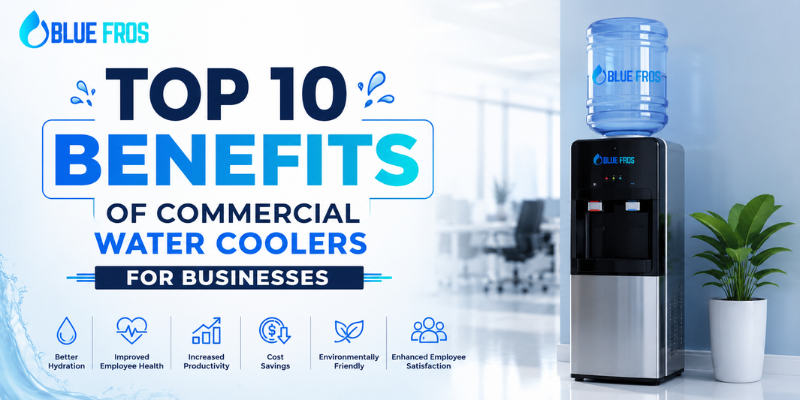
Access to clean drinking water is essential in any workplace. Whether it’s an office, warehouse, healthcare facility, educational institution, or retail space, keeping employees, customers, and visitors hydrated contributes to a healthier and more productive environment. Commercial water coolers provide a convenient and cost-effective solution for delivering fresh, chilled water throughout the day. As businesses continue to prioritize employee well-being and workplace efficiency, commercial water coolers have become a valuable addition to modern workspaces. In this article, we’ll explore the top 10 benefits of commercial water coolers for businesses and why they are a smart investment. Encourages Better Hydration Proper hydration is essential for maintaining energy levels, concentration, and overall health. Employees who have easy access to clean drinking water are more likely to stay hydrated throughout the day. Commercial water coolers make fresh water readily available, encouraging healthier hydration habits and reducing reliance on sugary beverages. Improves Employee Health and Well-Being Hydration plays a significant role in supporting physical and mental health. Drinking enough water helps regulate body temperature, supports digestion, and may reduce fatigue and headaches. Providing employees with easy access to fresh water demonstrates a company’s commitment to workplace wellness and can contribute to a healthier workforce. Boosts Workplace Productivity Even mild dehydration can affect focus, memory, and cognitive performance. When employees stay properly hydrated, they are better equipped to perform tasks efficiently and maintain concentration throughout the workday. A commercial water cooler helps ensure employees have convenient access to water without disrupting their workflow. Cost-Effective Water Solution Compared to purchasing individual bottled water for employees and visitors, commercial water coolers offer a more economical long-term solution. Businesses can significantly reduce ongoing expenses associated with single-use water bottles while providing a consistent source of drinking water. Supports Environmental Sustainability Many organizations are actively working to reduce their environmental impact. Commercial water coolers help minimize plastic waste by reducing the need for disposable water bottles. By encouraging the use of reusable cups and bottles, businesses can support sustainability initiatives and promote environmentally responsible practices. Enhances Workplace Satisfaction Employees appreciate workplaces that prioritize their comfort and well-being. Providing access to clean, refreshing drinking water is a simple yet meaningful amenity that contributes to a positive work environment. Small improvements like water accessibility can help enhance overall employee satisfaction and workplace morale. Convenient for Employees and Visitors Commercial water coolers offer a reliable source of drinking water for everyone in the building. Whether serving employees, clients, customers, or guests, having a dedicated hydration station ensures water is always available when needed. This convenience helps create a welcoming and professional environment Promotes Healthier Beverage Choices When fresh water is easily accessible, employees are more likely to choose water over sugary soft drinks and energy beverages. Encouraging healthier drink choices can support wellness initiatives and contribute to healthier lifestyle habits within the workplace. Low Maintenance and Easy to Use Modern commercial water coolers are designed for convenience and efficiency. Many models offer user-friendly features such as hot and cold water options, filtration systems, and energy-efficient operation. Routine maintenance is generally straightforward, making them a practical solution for businesses of all sizes. Creates a Professional Workplace Environment Providing high-quality drinking water reflects positively on a business. A clean and well-maintained commercial water cooler demonstrates attention to employee welfare and customer comfort. Whether located in a reception area, break room, or meeting space, a commercial water cooler contributes to a professional and organized workplace image. Why Businesses Choose BlueFros Commercial Water Coolers At BlueFros, we understand the importance of reliable hydration solutions for modern workplaces. Our commercial water coolers are designed to deliver clean, refreshing water while supporting productivity, employee wellness, and sustainability goals. Whether you’re managing a small office, large corporate facility, educational institution, healthcare center, or industrial workspace, BlueFros offers dependable water cooler solutions tailored to your business needs. Investing in a quality commercial water cooler is more than a convenience—it’s a commitment to creating a healthier and more productive environment for everyone who enters your workplace. Frequently Asked Questions (FAQs) What is a commercial water cooler? A commercial water cooler is a water dispensing system designed for workplaces, offices, schools, healthcare facilities, and other high-traffic environments. It provides easy access to clean drinking water for employees and visitors. How do commercial water coolers benefit employees? Commercial water coolers encourage hydration, support overall health, improve focus, and contribute to employee well-being and workplace satisfaction. Are commercial water coolers cost-effective? Yes. Commercial water coolers often reduce the ongoing costs associated with purchasing bottled water while providing a consistent source of fresh drinking water. Can commercial water coolers help reduce plastic waste? Absolutely. By encouraging the use of reusable water bottles and cups, commercial water coolers help minimize single-use plastic consumption. A commercial water cooler is a water dispensing system designed for workplaces, offices, schools, healthcare facilities, and other high-traffic environments. It provides easy access to clean drinking water for employees and visitors. Commercial water coolers encourage hydration, support overall health, improve focus, and contribute to employee well-being and workplace satisfaction. Yes. Commercial water coolers often reduce the ongoing costs associated with purchasing bottled water while providing a consistent source of fresh drinking water. Absolutely. By encouraging the use of reusable water bottles and cups, commercial water coolers help minimize single-use plastic consumption. Ready to Upgrade Your Workplace Hydration? Providing fresh, accessible drinking water is one of the simplest ways to support employee wellness, improve workplace productivity, and create a positive environment for visitors and staff. BlueFros Commercial Water Coolers offer reliable, efficient, and cost-effective hydration solutions for businesses of all sizes. Contact BlueFros today to discover the right water cooler system for your workplace and experience the benefits of cleaner, healthier hydration.
commercial water cooler guide
- admin
- June 15, 2026
- No Comments
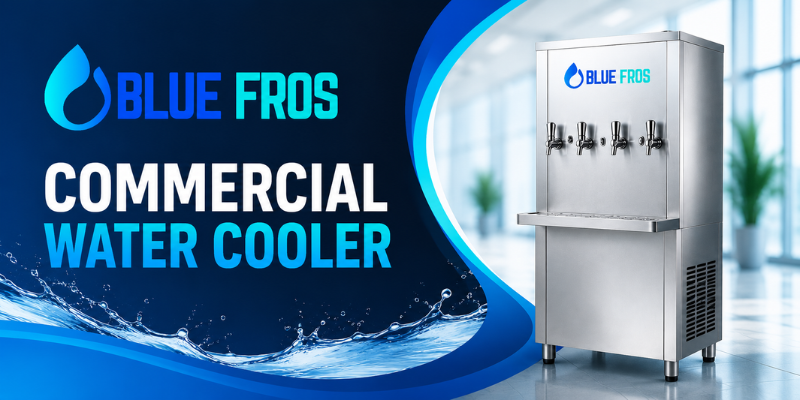
Commercial Water Cooler Guide: Everything You Need to Know Before Buying Access to clean and chilled drinking water is essential in commercial and industrial environments. A commercial water cooler helps provide a continuous supply of safe drinking water for employees, visitors, students, patients, and customers. Whether you manage a factory, office, school, hospital, or public facility, choosing the right commercial water cooler can improve convenience, hygiene, and workplace productivity. What is a Commercial Water Cooler? A commercial water cooler is a high-capacity cooling system designed to provide chilled drinking water in places with medium to heavy water consumption. Unlike residential water coolers, commercial units are built for durability, continuous operation, and larger storage capacities. These systems are commonly installed in: Factories and manufacturing plants Schools and colleges Hospitals and healthcare facilities Corporate offices Government buildings Railway stations and public areas Key Benefits of Commercial Water Coolers 1. Continuous Supply of Chilled Water Commercial water coolers are designed to handle large numbers of users throughout the day. They ensure a steady supply of cold drinking water even during peak usage. 2. Improved Hygiene Modern stainless steel water coolers are easy to clean and maintain. They help reduce contamination risks and support healthier drinking water practices. 3. Energy Efficiency Advanced cooling technology helps reduce electricity consumption while maintaining consistent cooling performance. 4. Long-Term Durability Most high-quality commercial water coolers are manufactured using stainless steel, offering corrosion resistance and long service life. 5. Cost-Effective Solution Compared to purchasing bottled water regularly, commercial water coolers provide a more economical and sustainable drinking water solution. Factors to Consider Before Buying Cooling Capacity Choose a water cooler based on the number of people who will use it daily. Larger facilities require higher cooling and storage capacities. Build Quality Stainless steel construction is recommended for better durability, hygiene, and corrosion resistance. Energy Consumption Look for energy-efficient models that provide reliable cooling without increasing operational costs. Maintenance Requirements Select a unit that offers easy cleaning, simple servicing, and readily available spare parts. Installation Space Consider the available installation area and choose a model that fits comfortably within your facility. Why Stainless Steel Water Coolers Are Preferred Stainless steel water coolers are widely preferred because they offer: Superior durability Better hygiene standards Corrosion resistance Easy maintenance Attractive appearance Longer operational life These benefits make them suitable for commercial and industrial applications where reliability is critical. Industries That Benefit from Commercial Water Coolers Manufacturing Facilities Factories require dependable hydration solutions for workers operating in demanding environments. Educational Institutions Schools and colleges need safe drinking water systems to support students and staff throughout the day. Healthcare Facilities Hospitals require hygienic water cooling systems that meet strict cleanliness standards. Corporate Offices Modern offices use commercial water coolers to improve employee comfort and workplace convenience. Public Infrastructure Government buildings, transportation hubs, and public facilities rely on commercial water coolers to serve large numbers of users. Why Choose Bluefros? Bluefros is a trusted Water Cooler Manufacturer in India, offering commercial and industrial water cooling solutions designed for durability, efficiency, and performance. Our stainless steel water coolers are built using premium materials and advanced cooling technology to meet the needs of factories, schools, hospitals, offices, and public infrastructure projects across India. Frequently Asked Questions What is the ideal capacity for a commercial water cooler? The ideal capacity depends on daily water consumption and the number of users. Larger facilities typically require higher-capacity models. Are stainless steel water coolers better than plastic units? Yes. Stainless steel water coolers provide better durability, hygiene, corrosion resistance, and long-term performance. Can commercial water coolers be installed outdoors? Certain models are designed for outdoor installation. Always check product specifications before installation. How often should a commercial water cooler be serviced? Regular cleaning and periodic maintenance every few months help ensure optimal performance and hygiene. The ideal capacity depends on daily water consumption and the number of users. Larger facilities typically require higher-capacity models. Yes. Stainless steel water coolers provide better durability, hygiene, corrosion resistance, and long-term performance. Certain models are designed for outdoor installation. Always check product specifications before installation. Regular cleaning and periodic maintenance every few months help ensure optimal performance and hygiene. Contact Bluefros Looking for a reliable commercial water cooler solution? Bluefros offers premium stainless steel water coolers designed for commercial and industrial applications across India. Contact our team today to find the ideal water cooling solution for your facility.
What is a Commercial Water Cooling System?
- admin
- June 12, 2026
- No Comments
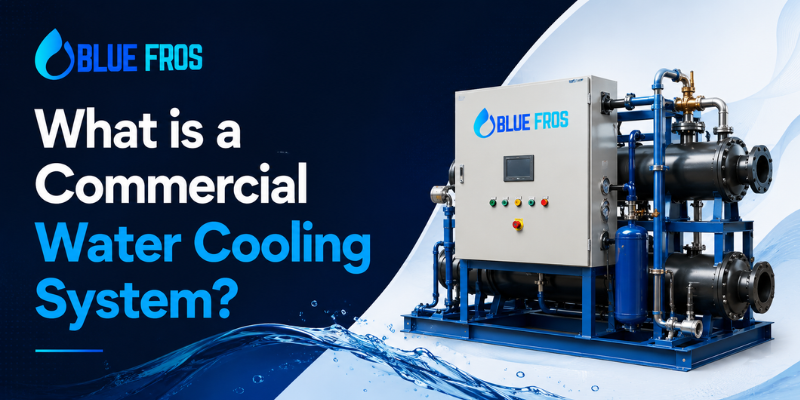
A Commercial Water Cooling System is an industrial cooling solution designed to reduce the temperature of water used in commercial and industrial operations. These systems play a crucial role in maintaining equipment efficiency, preventing overheating, and ensuring smooth production processes. From manufacturing facilities and hospitals to data centers and commercial buildings, water cooling systems help regulate temperature while improving operational reliability. As industries continue to expand, the demand for efficient cooling solutions has increased significantly. Commercial water cooling systems are designed to handle large volumes of water and provide consistent cooling performance even under demanding conditions. How Does a Commercial Water Cooling System Work? A commercial water cooling system works by removing heat from water and transferring it away from equipment or processes that generate excess heat. The cooled water is then circulated back through the system to maintain optimal operating temperatures. The process generally involves: Heat absorption from equipment or machinery Heat exchange through cooling units Water circulation using pumps Continuous temperature regulation for efficient operation This cycle ensures that machinery and systems operate within safe temperature ranges, reducing the risk of equipment failure and downtime. Key Components of a Commercial Water Cooling System Several components work together to deliver effective cooling performance: 1. Chiller Unit The chiller is responsible for removing heat from water and lowering its temperature before circulation. 2. Cooling Tower Cooling towers help dissipate heat into the atmosphere and improve overall system efficiency. 3. Pumps Pumps circulate water throughout the cooling network and maintain proper flow rates. 4. Heat Exchangers Heat exchangers transfer heat between fluids without allowing them to mix. 5. Control System Modern systems use automated controls to monitor temperatures, pressure, and overall performance. Benefits of Commercial Water Cooling Systems Improved Energy Efficiency Water-based cooling systems are often more energy-efficient than traditional air-cooling methods, helping businesses reduce operating costs. Enhanced Equipment Performance Maintaining proper temperatures helps machinery operate efficiently and extends equipment lifespan. Reduced Maintenance Costs Preventing overheating minimizes wear and tear on critical components, resulting in lower maintenance expenses. Consistent Cooling Performance Commercial water cooling systems provide reliable cooling even during high-demand operations. Environmentally Friendly Operation Many modern systems are designed to reduce energy consumption and support sustainable business practices. Common Applications of Commercial Water Cooling Systems Commercial water cooling systems are widely used across various industries, including: Manufacturing plants Pharmaceutical facilities Food and beverage processing units Data centers Hospitals and healthcare facilities Hotels and commercial buildings Power generation facilities Chemical processing industries These industries depend on effective temperature management to ensure operational efficiency and product quality. Factors to Consider When Choosing a Commercial Water Cooling System Selecting the right cooling system requires careful evaluation of several factors: Cooling Capacity Determine the amount of cooling required based on operational needs and heat load. Energy Consumption Look for systems that offer high efficiency and lower operating costs. Space Availability Consider the installation area and system footprint. Maintenance Requirements Choose equipment that is easy to maintain and service. Future Expansion Select a system that can accommodate future business growth and increased cooling demands. Future Trends in Commercial Water Cooling Technology Advancements in cooling technology are making commercial water cooling systems more efficient and intelligent. Modern systems increasingly incorporate: Smart monitoring and automation Energy-efficient designs Remote diagnostics Water conservation technologies Sustainable cooling solutions These innovations help businesses improve performance while reducing environmental impact. Frequently Asked Questions (FAQs) What is the main purpose of a commercial water cooling system? A commercial water cooling system is designed to remove excess heat from industrial equipment, machinery, and commercial facilities. It helps maintain optimal operating temperatures, improves efficiency, and prevents overheating. Which industries use commercial water cooling systems? Commercial water cooling systems are commonly used in manufacturing plants, hospitals, data centers, pharmaceutical facilities, food processing units, hotels, and power generation industries where temperature control is essential. Are commercial water cooling systems energy efficient? Yes. Modern commercial water cooling systems are designed to maximize cooling performance while minimizing energy consumption. Many systems include advanced controls and automation features to improve efficiency. How often should a commercial water cooling system be maintained? Regular maintenance is recommended to ensure optimal performance. Inspections, cleaning, water treatment, and component checks should typically be performed according to the manufacturer’s guidelines and operational requirements. A commercial water cooling system is designed to remove excess heat from industrial equipment, machinery, and commercial facilities. It helps maintain optimal operating temperatures, improves efficiency, and prevents overheating. Commercial water cooling systems are commonly used in manufacturing plants, hospitals, data centers, pharmaceutical facilities, food processing units, hotels, and power generation industries where temperature control is essential. Yes. Modern commercial water cooling systems are designed to maximize cooling performance while minimizing energy consumption. Many systems include advanced controls and automation features to improve efficiency. Regular maintenance is recommended to ensure optimal performance. Inspections, cleaning, water treatment, and component checks should typically be performed according to the manufacturer’s guidelines and operational requirements. Contact Blue Fros Today Looking for advanced and energy-efficient water cooling solutions? Blue Fros provides innovative commercial and industrial cooling systems tailored to diverse operational requirements. Explore reliable cooling technologies designed to enhance performance, reduce downtime, and support sustainable business operations. Get in touch with Blue Fros today to find the ideal commercial water cooling system for your facility.