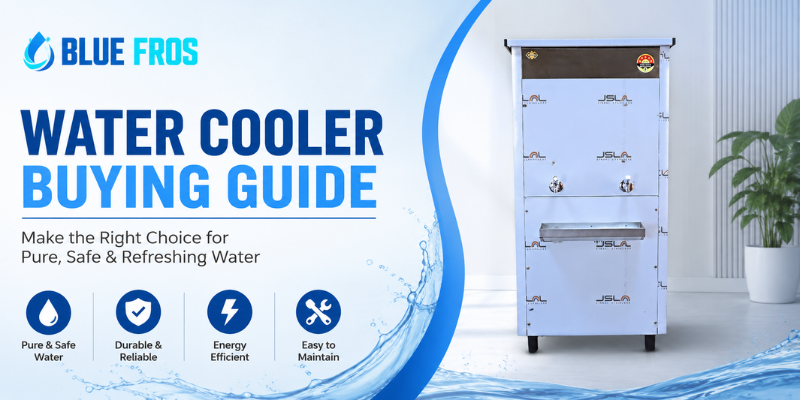
Finding the right water cooler is essential for maintaining a healthy and productive environment. Whether you need a water cooler for an office, school, hospital, factory, or commercial space, choosing the right model ensures a continuous supply of clean, chilled drinking water while reducing maintenance costs and energy consumption. In this comprehensive Water Cooler Buying Guide, we’ll explain everything you need to know before purchasing a commercial water cooler. Why Investing in the Right Water Cooler Matters A water cooler is more than just a drinking water dispenser. It helps improve employee productivity, encourages proper hydration, and provides safe drinking water for visitors and staff. Choosing the wrong model may result in: Insufficient cooling capacity Higher electricity bills Frequent maintenance Poor water hygiene Shorter equipment lifespan Selecting the right water cooler eliminates these problems and provides long-term value. Different Types of Water Coolers Choosing the correct type depends on your application and daily water consumption. Water Cooler Type Best For Main Benefits Stainless Steel Water Cooler Schools, Hospitals, Factories Durable, rust-resistant, hygienic Storage Water Cooler High-traffic areas Large storage capacity Bottled Water Cooler Offices Easy installation Direct Water Line Cooler Corporate buildings Continuous water supply Industrial Water Cooler Manufacturing plants Heavy-duty performance Factors to Consider Before Buying a Water Cooler 1. Daily Water Consumption The first thing to consider is how many people will use the water cooler daily. Number of Users Recommended Capacity 10–20 People 20–40 Litres 20–50 People 40–80 Litres 50–100 People 80–150 Litres 100+ People 150 Litres and Above Buying the correct capacity ensures a steady supply of chilled drinking water throughout the day. 2. Cooling Capacity Storage capacity and cooling capacity are different. For example: Storage Capacity = Water stored inside the tank Cooling Capacity = Litres cooled per hour Always check both specifications before purchasing. 3. Stainless Steel Construction For commercial use, stainless steel is always recommended because it offers: Rust resistance Better hygiene Long service life Easy cleaning Corrosion protection Food-grade stainless steel is ideal for ensuring safe drinking water. 4. Energy Efficiency An energy-efficient water cooler reduces electricity costs without compromising cooling performance. Look for: High-efficiency compressors Quality insulation Fast cooling technology Low power consumption 5. Installation Location Your installation area plays an important role in selecting the right model. Suitable locations include: Offices Schools Colleges Hospitals Factories Shopping malls Hotels Restaurants Public buildings Indoor and outdoor installations may require different models. 6. Water Quality If your incoming water contains impurities, consider installing a water purifier alongside the water cooler. Clean water protects both users and the equipment. 7. Maintenance Requirements Choose a model that offers: Easy servicing Replaceable components Accessible drainage Easy cleaning Lower maintenance means lower operating costs. Key Features to Look For A quality commercial water cooler should include: Food-grade stainless steel body Heavy-duty compressor Fast cooling technology Rust-resistant construction Durable faucets Large cooling tank Low power consumption Easy maintenance Reliable performance Long operational life Common Mistakes to Avoid Many buyers make these common mistakes: Buying based only on price Ignoring cooling capacity Choosing insufficient storage Purchasing low-quality materials Not considering future usage Skipping warranty details Ignoring after-sales support Avoiding these mistakes saves money over time. Benefits of Commercial Water Coolers Commercial water coolers provide several advantages. Continuous supply of chilled water Improved workplace productivity Better employee hydration Hygienic drinking water Cost-effective operation Long service life Durable construction Reduced plastic bottle usage Environmentally friendly solution How to Select the Right Water Cooler Follow these simple steps: Calculate daily water consumption. Choose the required storage capacity. Check cooling capacity. Select food-grade stainless steel construction. Compare energy efficiency. Verify warranty and service support. Buy from a trusted manufacturer. Why Choose Blue Fros Water Coolers? Blue Fros offers high-quality commercial water coolers designed for performance, durability, and hygiene. Whether you need a water cooler for a small office or a large industrial facility, Blue Fros provides reliable solutions built to meet modern commercial requirements. Blue Fros water coolers are known for: Premium stainless steel construction High cooling efficiency Energy-saving operation Low maintenance design Long-lasting durability Suitable models for offices, schools, hospitals, factories, and public spaces With a focus on quality and customer satisfaction, Blue Fros helps businesses provide safe and refreshing drinking water every day Water Cooler Comparison Feature Standard Water Cooler Blue Fros Water Cooler Stainless Steel Body Sometimes ✔ Premium Grade Fast Cooling Basic ✔ High Performance Energy Efficient Average ✔ Optimized Commercial Use Limited ✔ Yes Easy Maintenance Moderate ✔ Easy Long Service Life Standard ✔ Extended Durability Frequently Asked Questions Which water cooler is best for offices? A stainless steel water cooler with adequate storage and cooling capacity is ideal for office environments. How do I choose the right capacity? Estimate the number of daily users and select a model that matches both storage and cooling requirements. Is a stainless steel water cooler better than plastic? Yes. Stainless steel is more durable, hygienic, corrosion-resistant, and suitable for commercial applications. How often should a water cooler be cleaned? Regular cleaning every 2–3 months, along with routine maintenance, helps ensure hygienic operation and extends the equipment’s lifespan. A stainless steel water cooler with adequate storage and cooling capacity is ideal for office environments. Estimate the number of daily users and select a model that matches both storage and cooling requirements. Yes. Stainless steel is more durable, hygienic, corrosion-resistant, and suitable for commercial applications. Regular cleaning every 2–3 months, along with routine maintenance, helps ensure hygienic operation and extends the equipment’s lifespan. Ready to Choose the Right Water Cooler? Explore Blue Fros‘ range of premium commercial water coolers and find the perfect solution for your workplace or facility. Whether you need a compact office model or a high-capacity industrial unit, Blue Fros delivers dependable performance, superior quality, and long-lasting value. Contact our team today to get expert guidance and choose the ideal water cooler for your needs.

#CommercialWaterCooler
commercial Water Cooler Maintenance Tips
- admin
- June 24, 2026
- No Comments
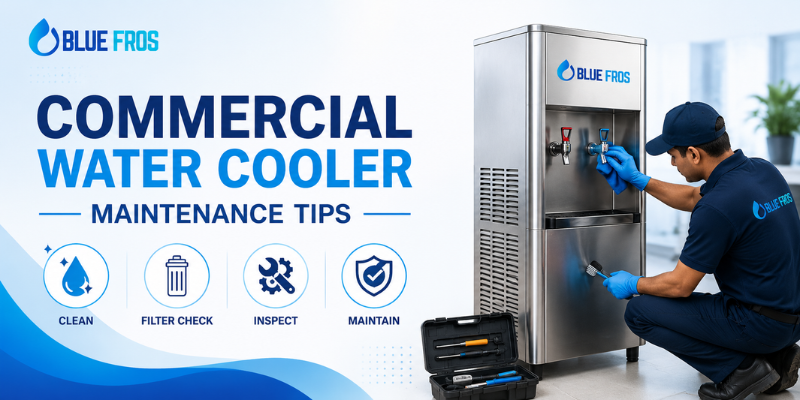
Commercial water coolers play a vital role in providing clean and chilled drinking water in offices, schools, hospitals, factories, shopping complexes, railway stations, airports, and other public facilities. These systems often operate continuously throughout the day, making regular maintenance essential for ensuring optimal performance, water quality, energy efficiency, and equipment longevity. Without proper maintenance, commercial water coolers can experience reduced cooling efficiency, increased energy consumption, water contamination issues, and costly repairs. A proactive maintenance routine not only helps extend the lifespan of the equipment but also ensures a safe and hygienic drinking water experience for users. This guide covers everything you need to know about commercial water cooler maintenance, including cleaning procedures, preventive maintenance practices, common problems, troubleshooting tips, and best practices for long-term performance. Why Commercial Water Cooler Maintenance Matters Many businesses focus on purchasing high-quality water cooling equipment but often overlook ongoing maintenance. Like any commercial appliance, water coolers require regular inspection and servicing to perform effectively. Proper maintenance helps: Maintain clean and safe drinking water Improve cooling performance Prevent unexpected breakdowns Reduce repair and replacement costs Increase equipment lifespan Enhance energy efficiency Minimize operational downtime Maintain hygiene compliance standards Regular maintenance is particularly important in high-traffic environments where hundreds of users may access the water cooler every day. Understanding How a Commercial Water Cooler Works Before discussing maintenance practices, it is helpful to understand the basic components of a commercial water cooler. A typical commercial water cooler consists of: Water storage tank Refrigeration system Compressor Condenser coils Evaporator Thermostat Water dispensing taps Filtration system (in some models) Drainage system Electrical control components All these components work together to cool, store, and dispense drinking water. If any component becomes dirty, damaged, or inefficient, overall performance can decline significantly. Benefits of Regular Commercial Water Cooler Maintenance Improved Water Quality Routine cleaning and sanitization help prevent the accumulation of dirt, bacteria, algae, and contaminants inside the water cooler system. Better Cooling Efficiency Clean coils, filters, and cooling components allow the unit to maintain consistent water temperatures while consuming less energy. Lower Operating Costs Preventive maintenance helps identify minor issues before they become expensive repairs. Increased Equipment Lifespan Commercial water coolers represent a significant investment. Proper maintenance helps maximize return on investment by extending equipment life. Reduced Downtime Scheduled maintenance minimizes unexpected failures and ensures uninterrupted access to drinking water. Essential Commercial Water Cooler Maintenance Tips 1. Clean Exterior Surfaces Frequently The exterior surface of a commercial water cooler is exposed to dust, fingerprints, spills, and environmental contaminants. Regular cleaning helps: Maintain a professional appearance Prevent dirt accumulation Reduce contamination risks Use a soft cloth and a non-abrasive cleaning solution for routine cleaning. 2. Sanitize Water Dispensing Areas Dispensing taps are among the most frequently touched parts of a water cooler. Regular sanitization helps prevent: Germ buildup Cross-contamination Bacterial growth Clean all dispensing nozzles and tap surfaces using approved sanitizing solutions. 3. Replace Water Filters as Recommended Many commercial water coolers incorporate filtration systems to improve water quality. Dirty or clogged filters may lead to: Reduced water flow Poor water taste Increased system strain Lower cooling efficiency Always follow the manufacturer’s recommended replacement schedule. 4. Inspect for Water Leaks Water leaks can cause: Water wastage Structural damage Mold growth Increased maintenance costs Inspect: Water supply lines Drainage connections Internal fittings Storage tanks Address leaks immediately to prevent further damage. 5. Keep Condenser Coils Clean Condenser coils release heat generated during the cooling process. When coils become covered with dust and debris: Cooling performance decreases Energy consumption increases Compressor workload rises Periodic coil cleaning helps maintain efficient operation. 6. Ensure Proper Ventilation Commercial water coolers require adequate airflow around the unit. Poor ventilation may result in: Overheating Reduced cooling efficiency Compressor failure Maintain sufficient clearance around all ventilation openings. 7. Monitor Water Temperature Regular temperature monitoring helps identify potential cooling issues before they become major problems. Consistent water temperatures indicate: Healthy compressor operation Proper thermostat function Efficient refrigeration performance Unexpected temperature fluctuations should be investigated promptly. 8. Inspect Electrical Components Electrical inspections should include: Power cables Electrical connections Switches Control panels Damaged wiring can create safety hazards and reduce equipment reliability. 9. Clean the Drain Tray Drain trays collect excess water during operation. If neglected, drain trays may become breeding grounds for: Bacteria Mold Foul odors Routine cleaning supports hygiene and sanitation standards. 10. Schedule Professional Preventive Maintenance Professional technicians can inspect internal components that are difficult to access during routine cleaning. Professional servicing may include: Refrigeration system inspection Compressor testing Thermostat calibration Leak detection Electrical safety checks Performance evaluation Annual servicing can significantly improve long-term reliability. Common Commercial Water Cooler Problems Water Not Cooling Properly Possible causes: Dirty condenser coils Faulty thermostat Compressor issues Poor ventilation Low Water Flow Possible causes: Clogged filters Blocked dispensing taps Internal scale buildup Water Leakage Possible causes: Loose fittings Damaged pipes Overflowing drain trays Unusual Noise Possible causes: Compressor wear Loose components Fan motor issues Unpleasant Taste or Odor Possible causes: Dirty water tank Old filters Inadequate sanitization Seasonal Maintenance Recommendations Summer Maintenance During high-demand periods: Monitor cooling performance more frequently Inspect ventilation areas Check compressor operation Winter Maintenance During colder months: Inspect electrical systems Verify thermostat performance Perform deep cleaning and sanitization Commercial Water Cooler Maintenance Checklist Daily Tasks Check overall operation Inspect dispensing taps Clean visible dirt and spills Weekly Tasks Clean external surfaces Sanitize dispensing areas Empty and clean drain trays Monthly Tasks Inspect filters Check water quality Verify cooling performance Quarterly Tasks Clean condenser coils Inspect electrical connections Check water supply lines Annual Tasks Schedule professional servicing Conduct comprehensive equipment inspection Replace worn components if necessary Best Practices for Long-Term Water Cooler Performance Use clean water sources Follow a maintenance schedule Replace filters regularly Train staff on proper usage Address minor issues promptly Maintain adequate ventilation Keep maintenance records Conduct periodic inspections Frequently Asked Questions (FAQS) How often should a commercial water cooler be cleaned? Most commercial water coolers should be cleaned and sanitized at least once every month, although
commercial water cooler guide
- admin
- June 15, 2026
- No Comments
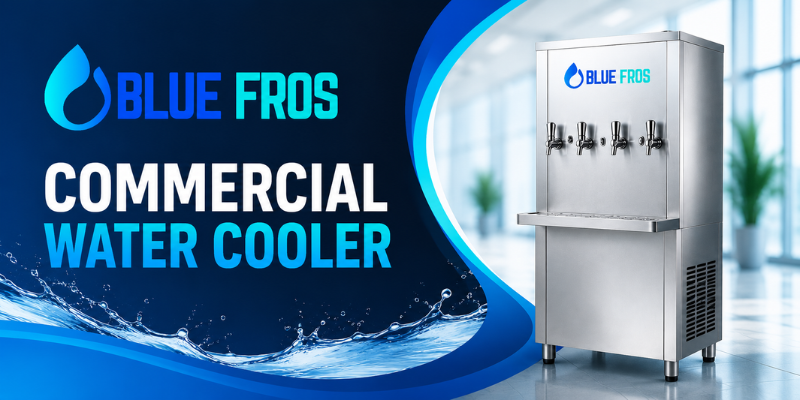
Commercial Water Cooler Guide: Everything You Need to Know Before Buying Access to clean and chilled drinking water is essential in commercial and industrial environments. A commercial water cooler helps provide a continuous supply of safe drinking water for employees, visitors, students, patients, and customers. Whether you manage a factory, office, school, hospital, or public facility, choosing the right commercial water cooler can improve convenience, hygiene, and workplace productivity. What is a Commercial Water Cooler? A commercial water cooler is a high-capacity cooling system designed to provide chilled drinking water in places with medium to heavy water consumption. Unlike residential water coolers, commercial units are built for durability, continuous operation, and larger storage capacities. These systems are commonly installed in: Factories and manufacturing plants Schools and colleges Hospitals and healthcare facilities Corporate offices Government buildings Railway stations and public areas Key Benefits of Commercial Water Coolers 1. Continuous Supply of Chilled Water Commercial water coolers are designed to handle large numbers of users throughout the day. They ensure a steady supply of cold drinking water even during peak usage. 2. Improved Hygiene Modern stainless steel water coolers are easy to clean and maintain. They help reduce contamination risks and support healthier drinking water practices. 3. Energy Efficiency Advanced cooling technology helps reduce electricity consumption while maintaining consistent cooling performance. 4. Long-Term Durability Most high-quality commercial water coolers are manufactured using stainless steel, offering corrosion resistance and long service life. 5. Cost-Effective Solution Compared to purchasing bottled water regularly, commercial water coolers provide a more economical and sustainable drinking water solution. Factors to Consider Before Buying Cooling Capacity Choose a water cooler based on the number of people who will use it daily. Larger facilities require higher cooling and storage capacities. Build Quality Stainless steel construction is recommended for better durability, hygiene, and corrosion resistance. Energy Consumption Look for energy-efficient models that provide reliable cooling without increasing operational costs. Maintenance Requirements Select a unit that offers easy cleaning, simple servicing, and readily available spare parts. Installation Space Consider the available installation area and choose a model that fits comfortably within your facility. Why Stainless Steel Water Coolers Are Preferred Stainless steel water coolers are widely preferred because they offer: Superior durability Better hygiene standards Corrosion resistance Easy maintenance Attractive appearance Longer operational life These benefits make them suitable for commercial and industrial applications where reliability is critical. Industries That Benefit from Commercial Water Coolers Manufacturing Facilities Factories require dependable hydration solutions for workers operating in demanding environments. Educational Institutions Schools and colleges need safe drinking water systems to support students and staff throughout the day. Healthcare Facilities Hospitals require hygienic water cooling systems that meet strict cleanliness standards. Corporate Offices Modern offices use commercial water coolers to improve employee comfort and workplace convenience. Public Infrastructure Government buildings, transportation hubs, and public facilities rely on commercial water coolers to serve large numbers of users. Why Choose Bluefros? Bluefros is a trusted Water Cooler Manufacturer in India, offering commercial and industrial water cooling solutions designed for durability, efficiency, and performance. Our stainless steel water coolers are built using premium materials and advanced cooling technology to meet the needs of factories, schools, hospitals, offices, and public infrastructure projects across India. Frequently Asked Questions What is the ideal capacity for a commercial water cooler? The ideal capacity depends on daily water consumption and the number of users. Larger facilities typically require higher-capacity models. Are stainless steel water coolers better than plastic units? Yes. Stainless steel water coolers provide better durability, hygiene, corrosion resistance, and long-term performance. Can commercial water coolers be installed outdoors? Certain models are designed for outdoor installation. Always check product specifications before installation. How often should a commercial water cooler be serviced? Regular cleaning and periodic maintenance every few months help ensure optimal performance and hygiene. The ideal capacity depends on daily water consumption and the number of users. Larger facilities typically require higher-capacity models. Yes. Stainless steel water coolers provide better durability, hygiene, corrosion resistance, and long-term performance. Certain models are designed for outdoor installation. Always check product specifications before installation. Regular cleaning and periodic maintenance every few months help ensure optimal performance and hygiene. Contact Bluefros Looking for a reliable commercial water cooler solution? Bluefros offers premium stainless steel water coolers designed for commercial and industrial applications across India. Contact our team today to find the ideal water cooling solution for your facility.